
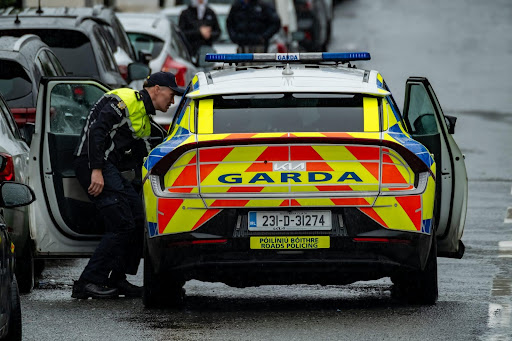
Since its establishment in 1922, An Garda Síochána has been led by a succession of remarkable commissioners who have guided the force through periods of immense change, challenge, and progress. These leaders have not only shaped policing policy but have also defined the character and ethos of Ireland’s national police service. Let’s explore some of the most influential commissioners in Garda history.
Michael Staines (1922-1923): The Founding Commissioner
Michael Staines holds the distinction of being the first Commissioner of An Garda Síochána. Appointed in February 1922, during the tumultuous period of the Irish Civil War, Staines faced the monumental task of establishing a new, unarmed police force from scratch. His vision was clear: the Garda would succeed “not by force of arms or numbers, but on their moral authority as servants of the people.” Though his tenure was brief—he resigned after just eight months due to political pressures—his foundational principles continue to resonate within the force today.
Eoin O’Duffy (1922-1933): Building the Institution
Following Staines’ resignation, Eoin O’Duffy took the helm and became the architect of the modern Garda structure. Under his leadership, the force expanded significantly, establishing stations across the country and developing training programmes at the Garda Depot in Phoenix Park. O’Duffy introduced standardised procedures, discipline codes, and investigative techniques that professionalised the service. Despite his controversial later political activities, his contribution to building a robust police infrastructure cannot be understated.
Patrick Carroll (1938-1952): Wartime Stewardship
Patrick Carroll led An Garda Síochána through one of Ireland’s most challenging periods—the Emergency (World War II). His careful navigation of wartime security concerns, while maintaining civil liberties, demonstrated exceptional leadership. Carroll strengthened the Detective Branch and improved intelligence gathering capabilities, establishing frameworks that would serve the force for decades to come.
Edmund Garvey (1975-1978): Modernisation and the Troubles
Edmund Garvey‘s tenure coincided with the height of the Northern Ireland Troubles, which placed unprecedented demands on the Garda. He oversaw significant modernisation efforts, including the expansion of specialist units and improved cross-border cooperation with the RUC. Garvey also recognised the need for better equipment and resources, advocating for increased government investment in the force.
Patrick Culligan (1983-1987): Tackling Organised Crime
Patrick Culligan became Commissioner during a period of rising organised crime and drug trafficking in Ireland. He established the Garda Drug Squad and strengthened intelligence-led policing methods. Culligan also prioritised community policing initiatives, recognising that public cooperation was essential to effective law enforcement.
Noel Conroy (2007-2009): Reform and Accountability
Noel Conroy‘s brief but impactful tenure focused on modernising Garda management structures and improving accountability mechanisms. He championed the use of technology in policing and advocated for better training in human rights and diversity. Conroy also worked to improve relationships between the Garda and immigrant communities during a period of rapid demographic change in Ireland.
Martin Callinan (2010-2014): Crisis and Controversy
Martin Callinan’s tenure was marked by both achievement and controversy. He oversaw significant reductions in crime rates and improved response times. However, his commissionership ended amid allegations regarding whistleblowers and the penalty points controversy, leading to his resignation in 2014. This period highlighted the importance of transparency and accountability in modern policing.
Nóirín O’Sullivan (2014-2018): Breaking Barriers
Nóirín O’Sullivan made history as the first female Garda Commissioner, breaking a significant barrier in Irish policing. Her appointment symbolised progress in gender equality within the force. O’Sullivan faced considerable challenges, including ongoing controversies inherited from her predecessor, budget constraints, and the investigation into the Garda whistleblower allegations. Despite these difficulties, she worked to modernise the force’s approach to domestic violence, sexual assault investigations, and victim support services.
Drew Harris (2018-Present): Reform and Modernisation
Drew Harris brought a unique perspective as the first commissioner appointed from outside An Garda Síochána, having previously served as Deputy Chief Constable of the Police Service of Northern Ireland. His appointment signalled a commitment to reform following the recommendations of the Commission on the Future of Policing in Ireland. Harris has focused on implementing a new operating model, improving governance structures, enhancing technology infrastructure, and addressing cultural issues within the organisation. His leadership during the COVID-19 pandemic also tested the force’s adaptability and relationship with the public.
Looking Forward
The commissioners of An Garda Síochána have each left their mark on the force, navigating political upheaval, social change, and evolving crime patterns. From Michael Staines’ founding vision of moral authority to Drew Harris’ reform agenda, these leaders have shaped not just an institution, but the very nature of policing in Ireland. As the Garda continues to evolve, future commissioners will undoubtedly face new challenges—cybercrime, international terrorism, and changing community expectations—but they will do so building on the legacy of those who came before.
The story of these commissioners is ultimately the story of Ireland itself: a nation finding its way, adapting to change, and striving to uphold the principles of justice, fairness, and service to the community.
Written by Sean Daly Garda