
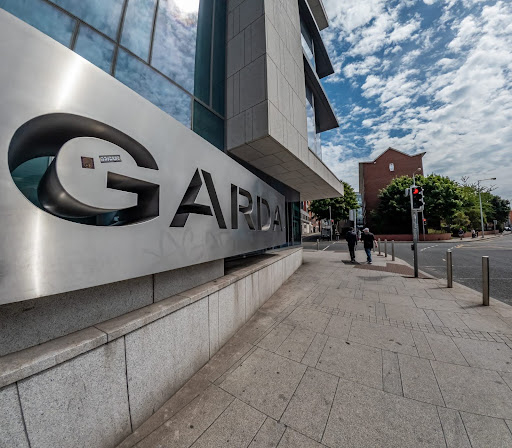
As we examine the evolution of policing in Ireland, few legislative instruments have had as profound an impact as the various Garda Síochána Acts that have shaped our national police force. From its foundation in 1922 to the comprehensive reforms of recent decades, these acts tell the story of a nation building its identity through the rule of law.
The Foundation: The Garda Síochána Act 1924
The story begins in the aftermath of independence. The Garda Síochána (Temporary Provisions) Act 1923 established our police force, but it was the Garda Síochána Act 1924 that provided the permanent legislative framework. This act was revolutionary in its approach—it created an unarmed police force, a deliberate break from the armed Royal Irish Constabulary that had served the British administration.
The 1924 Act established the core principles that would guide Irish policing: accountability to the state, community-based policing, and the consent of the people. Commissioner Eoin O’Duffy oversaw this transformation, and despite the challenges of a new state finding its feet, the foundations were remarkably solid.
Evolution Through the Decades
For much of the 20th century, the 1924 Act remained largely unchanged, a testament to its robust framework. However, as Irish society evolved, so too did the demands on our police service. The latter half of the century saw incremental amendments addressing everything from traffic regulations to the challenges posed by organised crime and terrorism.
The Garda Síochána Act 2005: A New Era
The 2005 Act represented the most significant overhaul of Garda legislation in over 80 years. This comprehensive reform introduced several groundbreaking provisions:
- The Garda Síochána Inspectorate: An independent body tasked with ensuring best practices and efficiency in policing
- The Garda Síochána Ombudsman Commission (GSOC): Providing independent oversight of complaints against Gardaí
- Enhanced human rights protections: Embedding international human rights standards into Garda operations
- Professionalisation: Strengthening training and professional development standards
These reforms reflected a maturing democracy’s recognition that effective policing requires robust accountability mechanisms alongside operational capability.
The Policing Authority and the 2015 Act
The decade following 2005 brought new challenges. High-profile controversies, including issues around penalty point cancellations and surveillance practices, highlighted gaps in governance structures. The Garda Síochána (Policing Authority and Miscellaneous Provisions) Act 2015 responded by establishing the Policing Authority—an independent body to oversee Garda performance and hold senior leadership to account.
This marked a fundamental shift in Irish policing governance. No longer would the Commissioner operate with limited external oversight; the Policing Authority now provides a critical bridge between democratic accountability and operational independence.
The Comprehensive Reform: 2024 Legislation
Most recently, the Garda Síochána (Recording Devices) Act 2024 represents our continued commitment to transparency and accountability. This act provides the legal framework for body-worn cameras and other recording devices, ensuring that Garda interactions with the public can be documented while respecting privacy rights.
This legislation reflects international best practices while addressing uniquely Irish concerns about privacy and data protection—a balance that has always characterised our approach to policing legislation.
Looking Forward
The legislative journey of An Garda Síochána is far from complete. Current discussions include further strengthening of diversity and inclusion within the force, enhanced powers to combat cybercrime and digital threats, improved mental health supports for Gardaí, and continued refinement of accountability mechanisms. Each legislative milestone has reflected the Ireland of its time—from a newly independent nation in 1924, through the challenges of the Troubles, to our current position as a modern European democracy facing 21st-century security challenges.
Conclusion
The various Garda Síochána Acts represent more than just legislative milestones; they embody our evolving understanding of what policing should be in a democratic society. From the brave decision to create an unarmed force in 1924 to the sophisticated accountability mechanisms of today, these acts tell the story of a nation committed to policing by consent, transparency, and the rule of law.
As we look to the future, we can be confident that the framework established by these acts—constantly refined, never static—will continue to serve the people of Ireland well. The challenge for historians and citizens alike is to remain vigilant, ensuring that our legislation continues to reflect our values and meets the challenges of each new era.
Written by Sean Daly Garda